The Home Improvements That Actually Add Value (2026)
Most 'home improvements add value' articles are written by people who haven't built anything. Here's an honest take from a contractor: which projects actually pay back, which break even, and which are worth doing for reasons other than resale.
Most articles on this topic are written by people who haven't built anything, citing 'cost vs. value' reports that average national numbers. Here's what we see in real Central PA homes when we walk projects with owners who are planning to sell in the next few years versus owners staying for the long haul.
The honest framing
'Adding value' means two different things and people often confuse them:
- Resale value — what the project does to the price your home commands.
- Lived value — what the project does to how much you enjoy living in the home.
A kitchen remodel typically recoups 60–80% of its cost at resale in this market. That's not 'making money' — it's losing 20–40% on paper. But over the 5–10 years you live with the new kitchen, the lived value usually swamps the resale math.
If you're remodeling purely to sell within 12 months, the calculus is different. If you're remodeling to live in the home for another decade, the right question is 'will I be glad I did this?' — not 'will I get every dollar back?'
Projects that consistently return value at resale
1. Kitchen refreshes (not full gut remodels)
Cabinet refacing or painting, new counters, new backsplash, hardware, paint. Cost: $15K–$25K. Resale recoup: typically 70–90%. The kitchen is the room buyers fixate on, and a clean, current kitchen reads as 'move-in ready.'
2. Bathroom refreshes
New vanity, fixtures, paint, tile floor (if dated), updated lighting. Cost: $8K–$18K. Resale recoup: typically 65–80%. Same logic as kitchens — visible, daily-use rooms.
3. Exterior siding and curb appeal
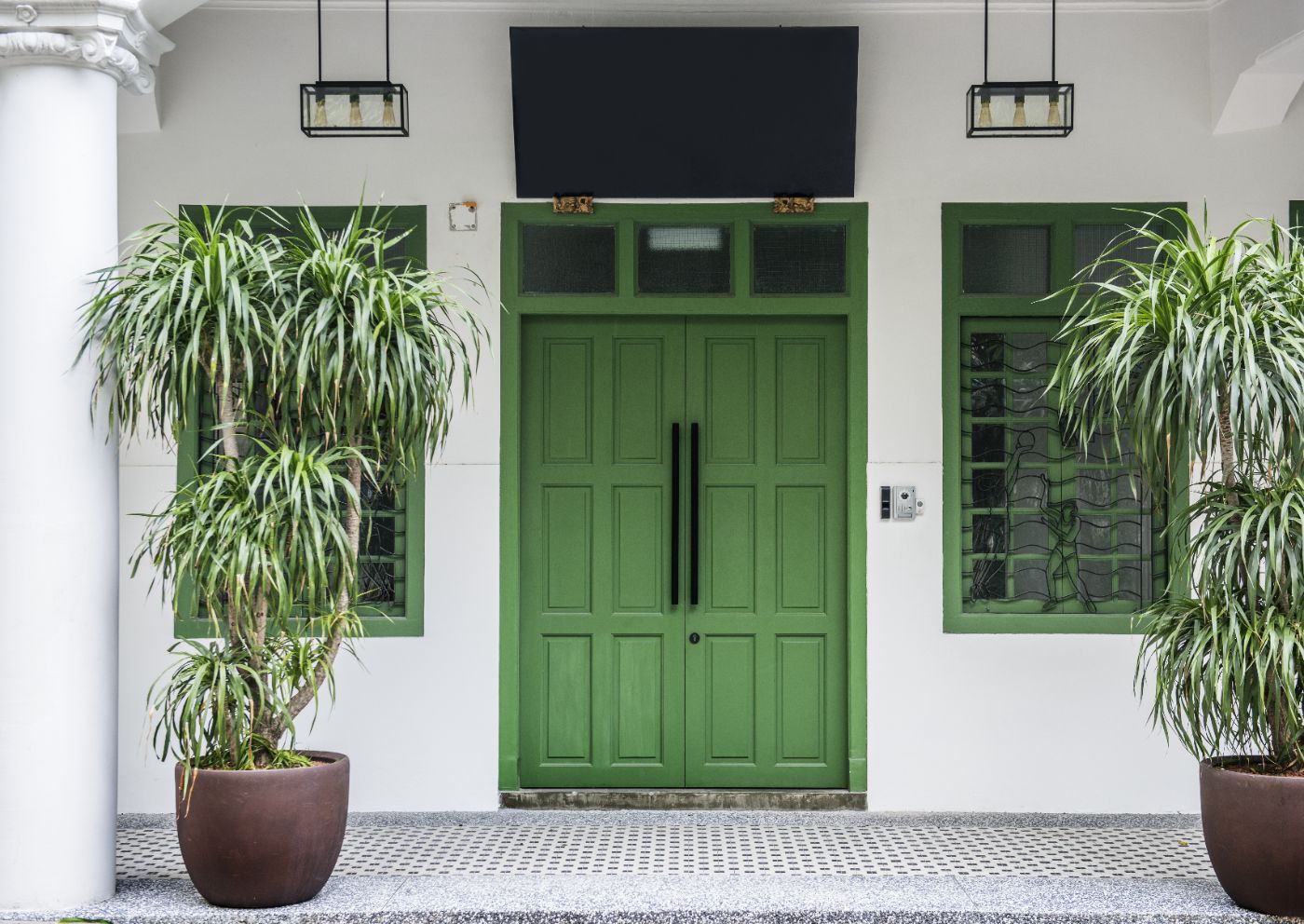
New siding, fresh paint, new front door, updated landscaping. Cost: $15K–$40K. Resale recoup: typically 70–85%. The first impression at the showing literally sets the buyer's mental anchor.
4. Deck additions (when the house lacks outdoor living)
A solid composite deck on a home without good outdoor space: cost $14K–$28K. Recoup: typically 65–75%. Bigger lift in markets where outdoor entertaining is part of the lifestyle pitch.
5. Basement finishes (in homes with too few bedrooms)
Converting unfinished basement to a guest suite or family room. Cost: $35K–$70K. Recoup varies — higher in markets where the home is undersized for its lot, lower in markets where every neighbor already has a finished basement.
Projects that break even (and that's OK)
Full kitchen gut remodels with high-end finishes
A $90,000 kitchen recoups maybe $50,000–$70,000 at resale. You're 'losing' $20K–$40K on paper. But you're living with a custom kitchen for the years before you sell — the lived value is real.
Primary bath additions or major expansions
Same logic. Significant cost, partial recoup. Worth doing for the years you'll use it, not for the resale math alone.
Home additions
Adding square footage typically recoups 50–65% of construction cost in our market. The bigger the addition, the lower the percentage — there's a point where the home is over-improved for the neighborhood and the recoup drops sharply.
Projects that genuinely don't pay back at resale
1. Swimming pools
Cost: $40K–$100K+. Resale recoup in Central PA: often negative — pools narrow the buyer pool more than they widen the price.
2. Highly personalized rooms
Wine cellars, dedicated home theaters, custom-built craft rooms. Wonderful to live with, but the next buyer mostly wants 'flexible room I can use however I want,' not 'theater with wired-in dolby setup.'
3. High-end appliances in mid-market homes
A $20K appliance package in a $300K home doesn't return the premium. Buyers don't pay extra for Wolf in a market where they expect Whirlpool.
4. Over-improvement for the neighborhood
The most common pattern: a homeowner does $150K of work in a neighborhood where comparable homes top out at $400K. The home becomes the nicest on the block — and tops out at $410K. The improvement doesn't fit the comp set.
What to do if you're staying
If you're planning to be in the home for another 5+ years, our honest advice changes:
- Do the project you actually want. The kitchen you want to cook in, the bath you want to wake up in, the deck you want to grill on. The lived value over years outweighs the resale math.
- Don't over-design for hypothetical future buyers. Choose finishes you love, not finishes you think will be 'safe.'
- Invest in the bones. A new roof, updated electrical, modernized HVAC — these don't show on Zillow but they prevent expensive problems and make the home easier to sell when the time comes.
- Skip the trend chasing. Any 2026 trend will be dated in 2031. Classic profiles, neutral palettes, and quality materials age better than statement-piece anything.
If you're trying to decide between 'remodel for resale' and 'remodel for ourselves' — talk to us. We've helped a lot of homeowners over twenty years figure out which version of a project fits their actual situation, and we'll tell you honestly when a project isn't worth the spend.
FAQ
Do new windows add value?
Modestly. Typical recoup is 60–70% at resale. The bigger win is energy efficiency and comfort during the years you live with them.
What's the single best remodel for resale?
A clean, current kitchen refresh in the $15K–$25K range. High visibility, broad appeal, strong recoup percentage. Full gut remodels look better but recoup a lower percentage.
Should I remodel before selling?
Depends on condition. If the kitchen/baths are visibly dated and the home will struggle to compete on the market, a targeted refresh almost always pays. If the home shows well already, spend on staging instead.