Deck Design Ideas That Work in Central Pennsylvania
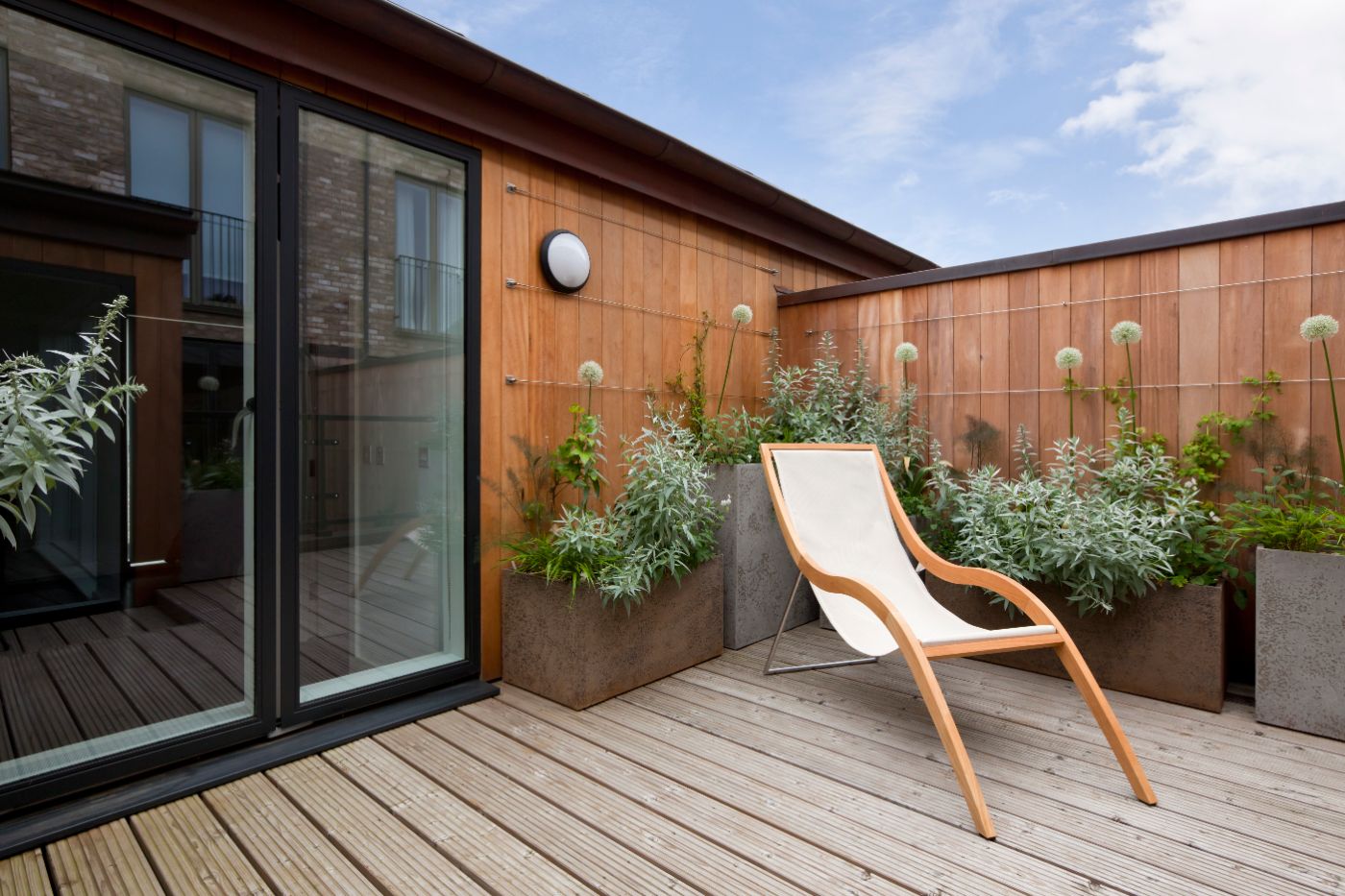
Pennsylvania weather is hard on decks. Here's what we've learned in 20 years about which materials survive, which layouts actually get used, and which design details separate a craft deck from a kit deck.
A deck is one of the most-used outdoor spaces in a Central PA home — but it's also one of the most demanding builds in our climate. Freeze-thaw cycles, ice, humidity in summer, dry stretches in fall: PA weather punishes shortcuts. Here's what we've learned in two decades of building decks across Blair, Centre, and Huntingdon counties.
Pick the right material
Composite (Trex, TimberTech, Azek)
Cost: $55–$85/sq ft installed.
Lifespan: 25–50 years with very low maintenance.
Best for: Homeowners who want to stop staining decks every two years. Composite has become the most common deck material in this market.
Modern composite is dramatically better than the early-2000s versions. Capped boards resist staining, fading, and scratching. The 25–50 year warranties are real.
Pressure-treated lumber
Cost: $30–$45/sq ft installed.
Lifespan: 15–25 years with annual maintenance.
Best for: Budget builds, secondary decks, or homeowners who actually enjoy refinishing.
Needs to be stained or sealed every 2–3 years. Cracks and warps over time. Cheapest upfront, most expensive over 20 years once you factor maintenance.
Cedar
Cost: $40–$60/sq ft installed.
Lifespan: 20–25 years if maintained.
Best for: Homeowners who want the look and smell of real wood and don't mind regular maintenance.
Beautiful when fresh. Greys naturally if left untreated. Needs sealing or staining every 2–3 years to retain the warm tone.
Ipe / hardwood
Cost: $80–$130/sq ft installed.
Lifespan: 40+ years.
Best for: Premium builds where appearance is the priority.
Stunning, dense, extremely durable. Pricey and more involved to install — fasteners and bits wear out fast in this wood.
Layouts that actually get used
Single-level deck off the kitchen / dining
The deck families use most: connected to where food prep happens, easy to bring drinks and dishes out, line of sight from the kitchen to the kids. If you have one deck spot, this is usually it.
Two-level deck (upper + ground-level patio)
Upper deck for dining and lounging; lower patio or deck for fire pit, grilling, or hot tub. Works well when the existing house sits high above grade.
Wrap-around or L-shaped deck
Bigger footprint, more zones — dining on one side, lounging on another. Best on larger lots where the deck can breathe.
Detached covered deck
A roofed structure separate from the house. Great for shade, useful in rain, lets you use the deck during PA's wet stretches. Higher cost but dramatically extends the usable months.
Rail and stair details that matter
- Cable rail looks clean and preserves the view. Stainless cable, properly tensioned, code-compliant baluster spacing.
- Aluminum picket rail is the workhorse — low maintenance, doesn't rust, looks current.
- Glass rail panels for premium builds with a view. Highest cost, biggest visual upgrade.
- Wood rail is fine for stained / sealed wood decks but needs maintenance like the deck itself.
- Stair design: wide enough for two people (4'+), proper rise/run for comfort, lighting at the stringer. A cramped, dark deck stair is the single most-complained-about deck detail.
Pergolas, lighting, and built-ins
Pergolas
Solid shade addition. Wood pergolas need maintenance; aluminum or composite pergolas with retractable canopy are increasingly popular and very low maintenance.
Deck lighting
The single best upgrade for actual use of the deck. Post-cap lights, stair lights, and ambient string lighting transform an unused-after-dark deck into a year-round entertaining space.
Built-in seating
Banquettes around the perimeter, with storage under the seat. Premium upgrade but loved by everyone who has it.
Outdoor kitchens
Range from a built-in grill insert ($3K–$8K) to a full outdoor kitchen with sink, fridge, side burners, and storage ($15K–$50K). Match the spend to how much you'll actually cook outside.
Footings — the part nobody sees
This is the most important paragraph in the article and the one you can't see when the deck is done.
Pennsylvania frost line is 36–42 inches depending on location. Footings need to extend below frost line, period. Surface deck blocks or shallow footings will heave with the freeze-thaw cycle, and within a few years the deck will be visibly out of level.
Concrete piers below frost line, with proper post bases, are non-negotiable for any deck built to last. It's the single biggest reason our 20-year-old decks still sit dead-level and our competitors' 5-year-old decks don't.
If you're getting deck bids and one is meaningfully cheaper, ask about footing depth. If the answer is anything other than 'below frost line, concrete piers, with post bases,' you've found the gap in the bid.
Want to talk through what would work on your property? We do walkthroughs and fixed-fee quotes — we'll measure, check grade, talk through how you'll use the space, and give you a real number.
FAQ
How long does a deck build take?
Most decks complete in two to four weeks weather permitting. Larger multi-level builds or composite decks with custom details take 4–6 weeks.
Do I need a permit for a deck in PA?
In most townships, yes — any deck over 30" off the ground or attached to the house requires a permit. We handle the permit submittal and inspection as part of the build.
What's the lifespan of a composite deck in PA?
25–50 years on the decking itself. The frame underneath is usually what fails first — which is why proper framing material (pressure-treated, properly fastened, joist tape on top) and proper footings matter as much as the decking surface.